

 7-Aug-26 4 min. read
How Much Does It Cost to Ship a Car 1,000 Miles?
Review typical 1,000-mile car shipping prices and learn how vehicle size, transport type, condition, and scheduling affect the total.
Read our cost guide Proudly American
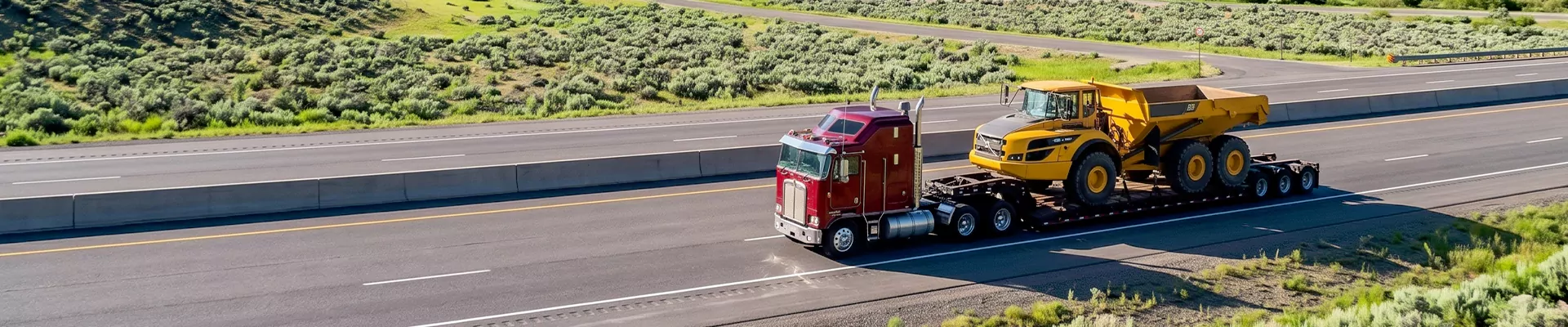
The cost to ship a car 1,000 miles usually ranges from $800 to $1,350 for a standard sedan on an open carrier in 2026. The average price is about $1,020 or $1.02 per mile.
Enclosed transport often costs $1,000 to $1,529 for the same distance. Larger vehicles can also raise the price because they use more trailer capacity and add more weight, similar to how semi truck transport pricing increases with vehicle size and weight.
A quote far below the typical range may look attractive. However, the final amount can rise when no carrier accepts the original price. Knowing the current cost range helps you identify realistic offers before pickup.
A standard operable sedan usually costs $800 to $1,350 to ship 1,000 miles on an open carrier in 2026. The average sits near $1,020. Enclosed transport often costs $1,000 to $1,529 because the trailer carries fewer vehicles and provides added protection.
Kelley Blue Book collected prices from eight transportation companies. The average open-carrier quote was $1,020 for a 1,000-mile trip. The lowest quote was $800 while the highest reached $1,350.
Cars.com reported an average open-carrier price of $1,069 for a sedan at the same distance. A compact SUV averaged $1,079. A full-size SUV or truck averaged $1,189.
Move.org reported a broader average of about $1,186 based on its quote analysis. FreightWaves placed typical open service between $650 and $800. These differences show how route demand and research methods can affect published averages.
A practical 2026 budget is:
| Vehicle and service | Typical 1,000-mile cost |
|---|---|
| Standard sedan on open carrier | $800 to $1,350 |
| Compact SUV on open carrier | About $1,079 |
| Large SUV on open carrier | About $1,189 |
| Pickup truck on open carrier | About $1,189 |
| Standard vehicle in enclosed trailer | $1,000 to $1,529 |
The table provides a planning range rather than a guaranteed price. A live quote reflects available trailer space at the time of booking.
A 1,000-mile shipment becomes more expensive as you add enclosed equipment or guaranteed pickup. Open transport creates the lowest common baseline. Larger vehicles use more trailer capacity. An inoperable car adds loading work. Each change should appear clearly in the written price before booking.
The price can progress in these stages:
| Shipping stage | Estimated 2026 cost | What changes |
|---|---|---|
| Flexible open transport | $800 to $1,050 | Standard sedan with broad dates |
| Standard open transport | $800 to $1,350 | Normal pickup window |
| Large vehicle transport | About $1,079 to $1,189 | More weight and trailer space |
| Enclosed transport | $1,000 to $1,529 | Covered trailer protection |
| Expedited enclosed transport | Above $1,529 | Limited carrier choice |
FreightWaves lists a lower open range of $650 to $800 for a standard 1,000-mile shipment. Its enclosed range is $1,000 to $1,200. Cars.com reports higher averages of $1,069 for open service and $1,529 for enclosed service.
These ranges should not be averaged without reviewing the service details. One study may use flexible pickup dates. Another may include door-to-door transportation during a busy season.
The vehicle transport rates also change when the car cannot move under its own power. Non-running vehicles commonly add $150 to $300 because the driver needs a winch or extra loading time.
An insider tip is to compare the final carrier payment instead of the initial deposit. A low deposit does not prove that the complete shipment costs less.
Distance sets the baseline for a 1,000-mile shipment but it does not create a fixed price. Vehicle dimensions affect trailer capacity. Carrier type changes protection and cost. Seasonal demand affects available space. Pickup flexibility can move the final amount by hundreds of dollars.
A large vehicle takes up more trailer space. It also adds weight that affects fuel use and load planning.
Cars.com reports an average of $1,069 for a sedan shipped 1,000 miles. The average rises to $1,189 for a large SUV or pickup.
Tell the transporter about oversized tires before booking. Report roof racks as well. Exterior changes can make the vehicle larger than the factory measurements used by an online calculator.
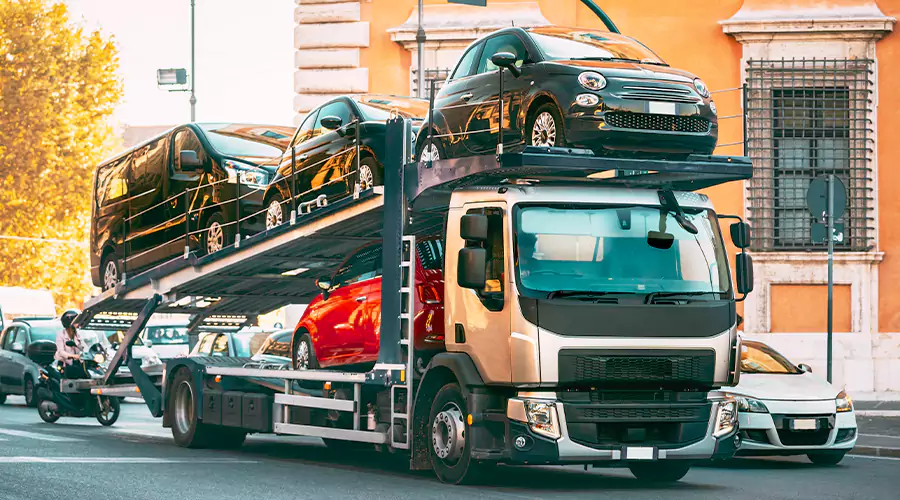
Open transport is the standard low-cost method. A two-level trailer can carry several vehicles during one trip.
Enclosed transport limits exposure to weather and road debris. The price is higher because fewer vehicles share the trip.
FreightWaves estimates that enclosed transport costs 30% to 60% more than open service. Cars.com reported a difference of $460 between its average open and enclosed price at 1,000 miles.
Enclosed service makes the most financial sense for a classic vehicle or a car with delicate paint. Most daily-use vehicles can use an open carrier.
An operable vehicle starts and moves onto the trailer without extra equipment. It must also steer correctly.
A vehicle that does not run often requires a winch. FreightWaves places the added cost between $150 and $300.
Report the exact condition before dispatch. A car with a dead battery presents a different loading issue from a vehicle with locked wheels.
Spring and summer often bring higher demand. More people relocate during these periods. Available trailer space can become limited.
Winter does not always produce the lowest rate. Severe weather can reduce carrier availability. Road closures can also increase travel time.
A flexible date during moderate demand often provides better value than an urgent shipment during a busy period.
A broad pickup window gives the shipment more chances to fit an existing route. A guaranteed date limits the number of suitable trucks.
Expedited service can add several hundred dollars. The higher price covers the smaller carrier pool and faster assignment.
A realistic vehicle shipping estimate should state whether the pickup date is flexible or guaranteed. Two prices cannot be compared fairly when one includes expedited collection.
A 1,000-mile car shipment usually takes two to four days after pickup. The full process can take five to ten days because carrier assignment happens first. Weather can extend transit. Multiple vehicle stops can also shift the delivery window without changing the route distance.
The normal timeline includes:
The car may not be collected on the day you place the order. The broker or carrier must first match the vehicle with an available trailer.
Drivers may collect or deliver other vehicles along the route. Those stops help keep shared transport affordable. However, they can change the delivery time.
A narrow delivery requirement can raise the car moving service cost because the driver has less flexibility to arrange other stops.
Plan for a delivery window instead of an exact hour. Keep a second authorized person available when your schedule is limited.
A risky 1,000-mile quote often appears far below the current $800 to $1,350 open-carrier range. Missing federal registration creates another warning. Unclear payment terms can hide later charges. The assigned carrier should match the legal name shown in official records and on the pickup documents.
Check these ten warning signs before booking:
Identity theft can involve the unauthorized use of a real carrier’s USDOT number. A professional-looking website does not prove that the business information is genuine.
A cheap car transport cross country offer can still be legitimate. The concern begins when the low price appears with missing records or unclear payment terms.
You can test a 1,000-mile quote by comparing it with current open-carrier benchmarks. Start near $1,020 for a standard sedan. Adjust upward for a larger vehicle or enclosed service. Then collect three matching written offers and investigate any price that sits far outside the group.
Follow this diagnostic test:
A 1,000-mile calculation at $1.02 per mile creates a $1,020 baseline. This figure matches the average reported by Kelley Blue Book.
Cars.com reports a similar sedan average of $1,069. SGT reported a $1,099 average based on 3,500 shipments with a median distance near 1,000 miles.
Your baseline does not predict an exact price. It helps you identify a quote that needs further explanation.
Collect auto transport quotes with identical vehicle details. Use the same pickup window. Keep the carrier type unchanged.
A $700 open quote can be reasonable on a popular route with flexible dates. A $700 enclosed quote requires closer review because it sits below common 2026 enclosed ranges.
Professional coordination becomes useful when the vehicle cannot start or has very low ground clearance. It also helps when modifications change the car’s height. A registered broker can arrange transport. A registered carrier performs the move and should provide matching federal identification before pickup.
Call before booking when the wheels cannot roll. Report steering problems at the same time. These conditions can change the required trailer equipment.
Ask whether the business is a broker or a carrier. A broker acts as the middle party between the customer and the motor carrier.
Request the assigned carrier’s legal name. Confirm its MC number through FMCSA. Interstate auto carriers should also have a USDOT number.
Ask for the carrier’s insurance information before pickup. Review the claim procedure. Confirm which types of damage the policy covers.
The driver should record the vehicle’s condition on the bill of lading. Take photographs before signing. Repeat the inspection when the vehicle arrives.
Stop the handoff when the company name on the truck does not match the paperwork. FMCSA recommends checking the truck details against the company you contracted.
You can keep the final price lower by choosing open transport and allowing flexible pickup dates. Book before urgent service becomes necessary. Report the vehicle condition accurately. Review payment terms before dispatch. These steps reduce the chance of added loading fees or last-minute carrier increases.
Use this preparation schedule:
Open transport provides the lowest common price for most standard vehicles. Enclosed service should be reserved for vehicles that need added protection.
Avoid expedited pickup when your schedule allows flexibility. Urgent service reduces carrier options.
Leave about one-quarter of a tank of fuel. The driver needs enough fuel for loading. A full tank adds unnecessary weight.
Remove detachable roof accessories when possible. Added height can change trailer placement.
Review card fees before choosing a payment method. Confirm the remaining balance due at delivery.
The lowest price is not always the best final value. A complete written offer with clear terms can cost less than correcting a low estimate on pickup day.
Shipping a car 1,000 miles usually costs $800 to $1,350 on an open carrier in 2026. Vehicle size and enclosed service can raise the total. Compare matching written quotes and verify federal registration before booking. Professional guidance helps when special loading equipment is required. This week, calculate your mileage baseline and confirm every charge in writing. Keep the final agreement with your pickup records.
7-Aug-26 4 min. read
Review typical 1,000-mile car shipping prices and learn how vehicle size, transport type, condition, and scheduling affect the total.
Read our cost guideNeed Help?
One call solves it all.